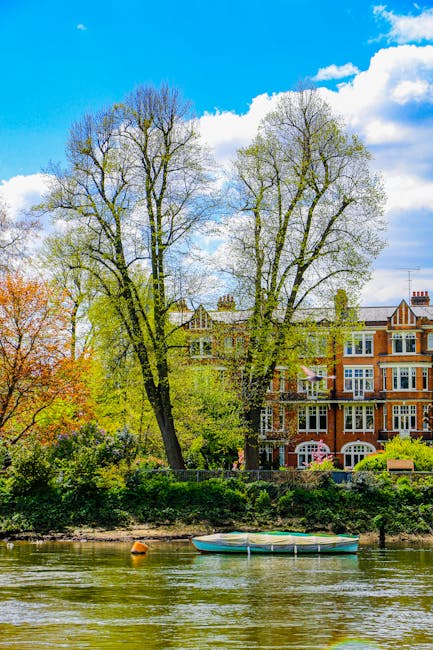
DA8 Gardening Services for Riverside Terraces by the Thames
Riverside terraces look effortless when they're done well. A neat line of planters, healthy planting, clean decking, and a space that still feels calm even with wind coming off the Thames. But in DA8, that polished look takes more than a quick tidy-up. Salt-laden air, shade from neighbouring buildings, awkward access, and stronger gusts can all make terrace gardening trickier than a normal back garden.
That is where DA8 gardening services for riverside terraces by the Thames really earn their keep. The right service does not just "make things look nice" for a week. It helps keep plants alive, surfaces safe, drainage sensible, and the whole terrace usable through changing seasons. If you live or manage a property near the river, you already know the difference between a terrace that survives and one that quietly thrives.
In this guide, we'll walk through what these services involve, how they work, what to expect, common mistakes to avoid, and which maintenance choices make the biggest difference. Simple enough. Useful enough. And hopefully it saves you a headache or two.
Table of Contents
- Why this matters on riverside terraces
- How the service works in practice
- Key benefits and practical advantages
- Who this is for and when it makes sense
- Step-by-step guidance
- Expert tips for better results
- Common mistakes to avoid
- Tools, resources and recommendations
- Law, compliance, standards, and best practice
- Options, methods, and comparison table
- Case study or real-world example
- Practical checklist
- Conclusion
- Frequently asked questions
Why DA8 Gardening Services for Riverside Terraces by the Thames Matters
Riverside terraces are exposed in ways that sheltered gardens simply are not. Wind moves through more aggressively, the microclimate can shift quickly, and the surface around the garden often plays a bigger role in everyday use. You may have a compact terrace, a balcony-style planted area, or a shared outdoor space that needs to look presentable all year. In each case, the garden is doing two jobs at once: it has to look good, and it has to cope with the location.
Near the Thames, you also tend to see specific patterns. Soil dries faster in wind. Containers need more regular watering. Loose leaves and debris collect in corners. Moss can build up on hard landscaping. And if the terrace is elevated or tightly enclosed, water runoff can become a nuisance. None of this is dramatic on its own, but together it can turn a lovely space into a patchy one, and fast.
That is why local gardening support matters. A service with real experience of riverside settings can choose planting that tolerates exposure, prune at the right time, and keep the space functional without overdoing it. To be fair, most terrace problems are not caused by one big mistake. They're caused by lots of small ones: the wrong plant, the wrong pot, not enough feed, not enough drainage, and no proper routine. It all adds up.
Expert summary: Riverside terrace gardening is less about occasional tidying and more about steady control. The best results come from small, regular interventions that protect planting, drainage, and hard surfaces at the same time.
For homeowners, landlords, and managing agents in DA8, this is not just an aesthetic issue. A well-kept terrace supports property presentation, makes outdoor space more usable, and reduces avoidable damage from neglected planting or poor drainage. If you're also maintaining larger outdoor areas, it can make sense to look at wider support through garden maintenance or even a broader services overview so the entire site stays consistent.
How DA8 Gardening Services for Riverside Terraces by the Thames Works
In practice, a good terrace gardening service starts with a site check. That sounds obvious, but it matters more than people think. A gardener needs to understand the amount of direct sun, the direction of prevailing wind, the condition of the paving or decking, access to water, and how the drainage behaves after rain. On a riverside terrace, the same planting plan can work beautifully in one corner and fail in another just a few metres away.
The service then usually breaks into a few strands:
- Planting assessment - checking what is already growing well and what is struggling.
- Routine maintenance - watering, feeding, deadheading, light pruning, and seasonal clean-ups.
- Container and planter care - refreshing compost, improving drainage, and repotting where needed.
- Surface care - keeping decking, paving, and edges free from slippery growth or leaf build-up.
- Structural gardening support - small landscape improvements where the terrace needs better flow or more shelter.
The timing is usually seasonal, though the exact pattern depends on how exposed the terrace is. Spring often focuses on recovery and replanting. Summer is about watering discipline and keeping plants from drying out. Autumn is the clean-up season, and winter is about protection, pruning restraint, and preventing damage from cold snaps and heavy rain. A sensible gardener will adjust the work to the weather, not the calendar alone. That's one of the quiet signs you're dealing with someone who knows what they're doing.
For terraces with timber features, raised platforms, or built-in seating, it may also help to bring in wider outdoor improvements through decking services or landscaping. The point is not to turn a terrace into a full-blown project unless it needs it. The point is to make the space work better, with fewer ongoing problems.
And yes, the good stuff is often invisible. Better drainage. Healthier roots. Less wind scorch. Fewer surprise weeds. A terrace can look calmer simply because someone has paid attention to the parts you don't see at first glance.
Key Benefits and Practical Advantages
People usually start with appearance, and fair enough. A tidy riverside terrace is more inviting, and it makes a property feel cared for. But the real benefits run deeper than that.
- Healthier planting: Plants chosen and maintained for a windy, open site tend to last longer and recover better after harsh weather.
- Better use of space: Terraces often have limited square footage, so every planter, pot, and walkway needs to earn its place.
- Safer surfaces: Moss, wet leaves, and algae can make hard landscaping slippery. Regular attention reduces that risk.
- Less water waste: Efficient watering and proper mulch or compost structure help prevent runoff and dry-out.
- Lower long-term repair costs: Catching drainage or surface issues early is usually far cheaper than fixing warped decking or damaged planters later.
- Better presentation for guests or tenants: This matters in flats, managed developments, and riverside homes where outdoor space is part of the first impression.
There is also a lifestyle benefit that gets overlooked. A well-tended terrace gets used more. People sit out for coffee, open the doors more often, and actually enjoy the space instead of glancing at it and thinking, "I should really deal with that." That mental load is a real thing.
And if the terrace includes hedging, screening plants, or boundary growth, regular hedge trimming can make the whole area feel sharper and less overgrown. For more labour-heavy jobs, especially after winter or tenant turnover, a one-off garden clearance can reset the space properly.
Who This Is For and When It Makes Sense
This kind of service is a strong fit for a few different people. If you recognise yourself in one of these, you're probably in the right place.
- Homeowners with a terrace garden near the river who want a low-fuss but attractive outdoor area.
- Landlords who need a tidy, durable space that presents well between tenancies.
- Managing agents responsible for communal terraces, podium spaces, or shared rooftop-style gardens.
- Busy professionals who like the idea of gardening but not the reality of carrying compost up stairs in the rain.
- Older residents who want the benefits of a green space without the strain of regular manual upkeep.
It also makes sense when the terrace has started to drift. The pots are looking tired, the watering routine has become sporadic, and maybe one or two plants have simply given up. Happens all the time. Sometimes the answer is a full redesign; sometimes it's just a smarter maintenance schedule and a better plant palette. A decent gardener will tell you which is which, rather than selling you more work than you need.
If the problem is mainly visual but the planting is otherwise sound, light-touch maintenance may be enough. If the space is crowded, exhausted, or poorly drained, it may need more substantial planning support from a team that understands both plant care and layout. In those cases, a mix of landscape gardening and routine care often works best.
Step-by-Step Guidance
If you're planning terrace gardening support in DA8, here's a practical way to approach it. No drama, no guesswork.
- Walk the terrace at different times of day. Morning shade, afternoon sun, and evening wind all matter. A plant that loves one spot may dislike another.
- List what is already working. Keep the plants, containers, or features that are healthy and suit the space. Don't rip out the good stuff.
- Identify problem areas. These are usually drainage points, damaged planters, sun-scorched corners, or awkward access routes.
- Decide what needs routine care and what needs a one-off reset. Some terraces need regular mowing if they include lawned sections or communal greenery, while others need planting refreshes or tidy pruning.
- Choose a maintenance rhythm. Weekly, fortnightly, or seasonal visits can all work depending on exposure and use.
- Set practical priorities. Safety and plant health first. A terrace should be pleasant, but it also needs to stay serviceable.
- Review after one full season. What wilted? What flourished? What stayed wet? That information is gold, honestly.
A useful rule of thumb: start with what the terrace is telling you, not with an idealised design from a magazine spread. Real-life riverside spaces need resilience first. The pretty part follows.
If your terrace also borders a heavier planting area or a more traditional garden, you may need occasional lawn mowing or regular shrub care as part of the wider schedule. For many properties, the best results come from combining a few smaller services rather than waiting for one big annual tidy-up that tries to do everything at once.
Expert Tips for Better Results
After a while, certain patterns become obvious. Here are the tips that tend to make the biggest difference on riverside terraces.
- Use containers with proper drainage holes. Decorative pots without drainage are trouble waiting to happen.
- Choose resilient plants first, novelty plants second. Exposure near the Thames can be unforgiving. Tougher varieties usually give you better value.
- Anchor lighter items. Wind catches small planters, trellis pieces, and even empty pots. It sounds minor. It is not minor.
- Group plants by water need. That makes watering easier and prevents some pots from getting drowned while others dry out.
- Keep access clear. If the path to the tap or storage cupboard is blocked by pots, maintenance becomes more awkward than it should be.
- Prune lightly and regularly. A little, often, is usually better than one heavy cut that stresses the plant.
- Check undersides and hidden corners. That's where slugs, moss, and rot often begin. Not glamorous, but true.
One small but important detail: on terraces, the best design is often the one that leaves a bit of breathing room. It is tempting to fill every surface with greenery. Then comes rain, then wind, then a couple of weeks you forget to water, and suddenly the whole thing looks crowded and stressed. A little negative space can be a relief.
For property owners who value sustainability, ask how green waste is handled and whether maintenance can be planned to reduce unnecessary replacement planting. You can also look at the company's approach to recycling and sustainability, especially if you expect regular green waste from pruning and seasonal refreshes.
Common Mistakes to Avoid
Most terrace problems are preventable. That's the annoying part, really. But it also means you can usually avoid them with a bit of thought.
- Choosing plants for looks only. If a plant can't handle wind or irregular moisture, it may not last long by the river.
- Overwatering out of caution. Many terrace plants suffer more from too much water than too little, especially in cooler months.
- Ignoring surface care. Slippery paving, dirty decking, and blocked drains are not just cosmetic issues.
- Mixing too many maintenance styles. A drought-tolerant planting scheme and a high-water bedding scheme can be difficult to manage together.
- Letting containers age in place. Old compost compresses, roots crowd, and watering becomes less effective.
- Skipping seasonal resets. Without a proper clear-out, terraces accumulate clutter fast.
There's also the "I'll deal with it next weekend" trap. We've all done it. The trouble is that terrace issues compound quietly. A few fallen leaves become a slick patch. A thirsty planter becomes a stressed plant. A stressed plant becomes a gap. Then the whole arrangement looks unfinished, even if only one part failed.
If things have already slipped badly, a structured clean-up through garden clearance can give you a better baseline than trying to patch around the mess. Sometimes that's the most practical first move. Clean slate, less faffing about.
Tools, Resources and Recommendations
You don't need a huge toolkit to keep a riverside terrace in good condition, but the right basics help a lot. Whether the work is being done by a professional or by a homeowner between visits, these are the essentials.
| Item | Why it helps | Best use on a terrace |
|---|---|---|
| Hand trowel and cultivator | Useful for potting, topping up compost, and light weeding | Container gardens and small planters |
| Watering can or hose with controlled flow | Helps avoid waste and reduce runoff | Regular watering in exposed conditions |
| Bypass secateurs | Makes cleaner cuts for healthy pruning | Deadheading and light trims |
| Soft broom | Simple way to clear leaves, grit, and debris | Decking, paving, and corners |
| Compost and mulch | Improves moisture retention and root health | Refreshing tired planters |
| Storage box or screened area | Keeps tools and loose items from blowing around | Wind-prone terraces |
On the service side, choose support that covers more than a quick tidy. A good provider should be able to talk sensibly about planting choice, maintenance frequency, surface safety, and seasonal planning. If you need to compare what's available, the services overview is a helpful place to understand how the different pieces fit together.
You may also want to think about access and trust. Who will enter the property? How are keys handled? How is work scheduled around residents or tenants? These are the boring questions that stop things becoming stressful later. Boring, yes. Important, absolutely.
Law, Compliance, Standards, and Best Practice
For a terrace garden, compliance is usually less about dramatic legal issues and more about good working practice. Still, it matters. Especially in shared or managed properties.
Common expectations include:
- Safe working methods for access, tools, and pruning.
- Respect for shared spaces in apartments, developments, and managed terraces.
- Clear communication about what work will be done, when, and how waste will be removed.
- Appropriate insurance and safety procedures where contractors are working on private property.
- Responsible waste handling for soil, clippings, and bulky green waste.
If the terrace includes trees, large shrubs, or anything growing close to buildings, care becomes more specialised. Tree work should be handled cautiously, with proper judgment rather than enthusiasm. Not every tall stem needs lopping, and not every awkward branch should be cut just because it is in the way. If tree-related work is needed, look for a service that can explain the risks clearly and calmly, such as tree lopping and removal.
For residents and landlords alike, it is sensible to ask about business terms, safety processes, and payment handling before work begins. The relevant policy pages, including health and safety policy, insurance and safety, payment and security, and terms and conditions, can help set expectations and reduce misunderstandings. That part is not glamorous either, but it saves bother.
Options, Methods, and Comparison Table
Not every terrace needs the same level of support. Some spaces only need regular care, while others benefit from more structural changes. Here's a simple comparison to help you think it through.
| Approach | Best for | Strengths | Limitations |
|---|---|---|---|
| Routine maintenance only | Healthy terraces with a stable layout | Affordable, simple, easy to schedule | Won't solve underlying layout or drainage issues |
| Seasonal refresh and planting reset | Terraces that look tired but are structurally fine | Quick visual improvement, better plant performance | Needs repeating through the year |
| Full redesign or landscape work | Poorly arranged or heavily worn terraces | Can solve flow, planting, and access issues together | More planning and higher upfront effort |
| Combined gardening and hardscape care | Decked or paved terraces with planters | Balances appearance with safety and usability | Requires joined-up maintenance |
As a rule, the more exposed the terrace, the more value you get from combining plant care with hard surface maintenance. If the deck is sound but the planting is struggling, the answer may be mostly horticultural. If the plants are fine but the space feels awkward, then layout changes matter more. It's not always one or the other. Often it's a bit of both.
For terraces that need a stronger physical reset, it may also make sense to look at landscaping alongside ongoing care. That way you are not just fixing symptoms; you're improving the way the space actually behaves.
Case Study or Real-World Example
Consider a typical DA8 riverside terrace with several medium planters, a narrow paved path, and a timber seating area that gets plenty of wind. The owner wants the space to feel welcoming but does not want a high-maintenance jungle. Fair enough.
At first glance, the main issues are all small ones: dry corners, a few tired plants, leaves collecting against the wall, and some green staining on the deck. But once the terrace is reviewed properly, a pattern appears. The planters are too crowded in one section and too exposed in another. Watering has been inconsistent because the containers are awkward to reach. The timber has started to look dull because debris has been sitting on it after wet spells.
The fix is not dramatic. It usually involves:
- thinning out weak planting
- replacing compost and improving drainage in the worst pots
- moving lighter containers into calmer positions
- setting a better watering routine
- cleaning the deck and keeping the surface clear
Within a few weeks, the terrace tends to feel more settled. Not perfect, because real terraces never are. But calmer. More coherent. You notice the space rather than the problems. That is usually the goal, even if nobody says it out loud.
If the owner later wants a stronger visual structure, a modest rework through landscape gardening can add definition without overcomplicating maintenance. Small changes, sensible changes. That's often where the best results are hiding.
Practical Checklist
Use this checklist before booking or scheduling terrace garden work:
- Check whether the terrace is exposed to wind, shade, or direct afternoon sun.
- List all existing plants, planters, and hard surfaces.
- Identify drainage problems, standing water, or slippery areas.
- Decide if you need routine maintenance, a seasonal refresh, or a bigger reset.
- Ask how waste and clippings will be removed or recycled.
- Confirm access arrangements for gates, keys, lifts, or shared areas.
- Review any safety, insurance, and payment expectations in advance.
- Think about how often you realistically want visits.
- Keep a note of plants that consistently thrive or fail on the terrace.
- Plan for at least one seasonal review each year.
Quick takeaway: the best terrace gardening plan is the one you can actually maintain. If it looks beautiful but needs daily heroics, it probably isn't the right plan for a riverside setting.
If you're ready to improve a terrace that's been a bit neglected, or you simply want a steadier maintenance routine, the next step is straightforward. Review the options, compare the level of care you need, and speak with a team that understands riverside conditions properly. You'll usually know within one conversation whether they get it or not.
Get a free quote today and see how much you can save.
Conclusion
DA8 riverside terraces are special spaces, but they do ask for a more thoughtful kind of gardening. Exposure, drainage, access, and salt-tinged winds all change the job. That does not make terrace gardening difficult for the sake of it; it just means the details matter more than usual.
Done well, the result is lovely. A terrace that feels green without feeling fragile. Tidy without feeling sterile. Easy to live with, not a full-time project. And let's face it, that is what most people actually want.
With the right maintenance rhythm, sensible planting choices, and an eye on safety and upkeep, your outdoor space can stay useful across the seasons. A little care goes a long way by the Thames. Quite a long way, actually.
And if you get the basics right, the rest tends to follow naturally. That's the quiet magic of a well-kept terrace.
Frequently Asked Questions
What makes riverside terrace gardening different from regular garden maintenance?
Riverside terraces face stronger wind, faster drying in exposed spots, and more pressure on drainage and surfaces. The work needs to focus on resilience as well as appearance.
How often should a DA8 terrace garden be maintained?
That depends on exposure and planting, but many terraces benefit from regular visits through the growing season, with lighter checks in colder months. A consistent rhythm usually works better than occasional big clean-ups.
Can terrace gardening be low maintenance?
Yes, if the planting is chosen carefully. Drought-tolerant plants, proper containers, and a sensible layout can reduce upkeep quite a lot. Low maintenance does not mean no maintenance, though.
What plants work best on a windy riverside terrace?
Plants that tolerate exposure, fluctuating moisture, and container life are usually the best fit. A local gardener can recommend options based on sun, shade, and how much wind the terrace gets.
Do I need landscaping, or just routine garden care?
If the main issue is tired planting or seasonal tidying, routine care may be enough. If the layout feels awkward, water pools badly, or the space does not function well, some landscaping may be more useful.
What should I ask before hiring a gardening service for a terrace?
Ask about maintenance frequency, waste removal, safety procedures, access arrangements, and whether they have experience with exposed or riverside spaces. Clear answers early on usually mean fewer problems later.
Is decking harder to maintain near the Thames?
Decking can be perfectly manageable, but it needs regular cleaning and attention to moss, staining, and damp. A terrace that mixes planting and timber features benefits from joined-up care.
What if my terrace has drainage problems?
Drainage problems should be looked at early. They can affect plant health, surface safety, and long-term condition of planters or decking. Sometimes the fix is simple; sometimes it needs a more structured approach.
Can garden clearance help before starting terrace maintenance?
Absolutely. If the space is cluttered or overgrown, a proper reset makes ongoing maintenance easier and more effective. It is often the best first step when things have slipped.
How do I keep terrace plants alive through summer?
Choose plants suited to exposure, water consistently, group plants by need, and use mulch or good-quality compost to help retain moisture. Summer failures are often about inconsistent watering rather than bad luck.
What should a professional gardener do on a riverside terrace?
They should assess the site properly, recommend suitable planting, manage maintenance in line with the weather, and keep the space safe and usable. Good work is practical, not flashy.
How do I know if my terrace needs a redesign rather than upkeep?
If the space keeps failing in the same places, feels crowded, drains badly, or is awkward to use, a redesign may be more cost-effective than constant patching. Sometimes a fresh layout is the real answer.
Where can I learn more about the company and its services?
You can review the team's background on the about us page and explore the wider range of support through the services overview. For direct enquiries, use the contact us page.