Emergency garden clearance in Erith same day gardeners: fast help when the garden cannot wait
If your garden has suddenly become unsafe, messy, or just plain unmanageable, you do not always have the luxury of waiting until next week. Storm damage, fallen branches, fly-tipped waste, broken fencing, overgrowth after a long absence, or a garden left in a state after tenants move out can all turn into an urgent problem very quickly. That is where Emergency garden clearance in Erith same day gardeners comes in: a practical, fast-response service designed to make a space safe, usable, and under control again, often on the very same day.
In this guide, we will look at what emergency clearance actually involves, when it makes sense, how a same-day job is normally handled, and what to check before you book. If you are comparing options, you will also find useful guidance on safety, waste handling, costs, and how to avoid the common mistakes that can make an urgent job more stressful than it needs to be.
Quick expert summary: emergency garden clearance is not just "tidying up fast". It is about removing immediate hazards, clearing access, dealing with bulky or awkward waste, and restoring order without cutting corners on safety.
- Why Emergency garden clearance in Erith same day gardeners Matters
- How Emergency garden clearance in Erith same day gardeners Works
- Key Benefits and Practical Advantages
- Who This Is For and When It Makes Sense
- Step-by-Step Guidance
- Expert Tips for Better Results
- Common Mistakes to Avoid
- Tools, Resources and Recommendations
- Law, Compliance, Standards, or Best Practice
- Options, Methods, or Comparison Table
- Case Study or Real-World Example
- Practical Checklist
- Conclusion
- Frequently Asked Questions
Why Emergency garden clearance in Erith same day gardeners Matters
When a garden has become urgent, the issue is rarely cosmetic. A blocked path, a rotten branch hanging low, a pile of wet hedge cuttings, or a fence panel blown loose can create a genuine safety concern. Even a modest-looking mess can become a trip hazard, a pest attraction, or a fire risk if it is left to sit for too long. To be fair, gardens can go from "fine, I'll sort it later" to "this needs handling today" faster than people expect.
In Erith, as in many parts of south-east London, space is often tight and access can be awkward. Side returns, shared alleys, narrow gates, or rear access through a property can turn a simple clearance into a logistical job. Same-day gardeners understand that urgency does not just mean speed; it also means working efficiently in a real-world setting, with neighbours nearby, weather changing, and limited room to manoeuvre.
This matters for landlords, homeowners, letting agents, and business premises alike. If a garden is overgrown or littered with waste, it can affect how a property is used, how safe it feels, and how quickly it can be handed back into normal use. A fast clearance is often the difference between a problem that escalates and a problem that is quietly resolved.
Emergency clearance also protects the longer-term condition of the garden. Letting tangled growth sit around can smother grass, damage borders, encourage damp, and make the next stage of maintenance much harder. In that sense, a same-day response is not just reactive. It is preventive too.
How Emergency garden clearance in Erith same day gardeners Works
A proper same-day clearance usually starts with a short assessment. That might happen over the phone, by photos, or during a quick site visit if timing allows. The aim is to identify what needs to be removed, what can stay, and whether there are any safety risks that need immediate handling. A decent gardener will not promise the earth without first understanding the job. That would be a bit daft, really.
Once the scope is clear, the team will prioritise the most urgent work. This often means clearing access first: paths, steps, gates, doors, driveways, and any route that needs to stay open. After that, the crew may move on to bulky debris, cut back hazardous growth, collect loose waste, and stack material for removal. If tree-related work is involved, a specialist approach may be needed, which is where tree lopping and removal can become relevant.
Many urgent jobs are best handled in stages. For example, a garden left full of broken branches after a storm might need the dangerous material removed first, with deeper clearance and fine-tuning done immediately afterwards. In other cases, an emergency visit can be followed by a planned return for finishing touches or longer-term improvements. That is often the cleanest way to get a garden from chaotic to orderly without rushing the important bits.
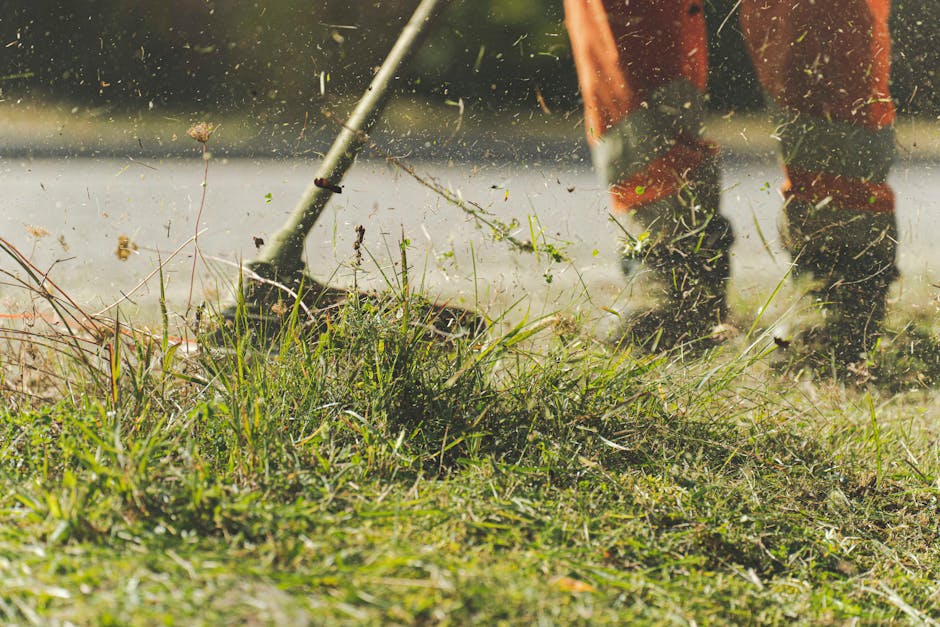
If the job includes thick grass, bramble, or tangled growth, teams may use a mix of manual tools and powered equipment. If the space is especially overgrown, a first visit may be more about reduction than perfection. That is normal. A quick clear-down makes the garden safe and manageable; a more detailed tidy can follow once the worst has gone.
Key Benefits and Practical Advantages
The first obvious benefit is speed. When you need a space made safe or usable now, waiting days for an appointment is not always realistic. Same-day gardeners can reduce stress quickly and stop the problem from spreading into other parts of the property.
There is also the safety angle. Broken branches, slippery surfaces, rotting timber, dense weeds, and piles of garden waste can all create avoidable hazards. A proper emergency clearance reduces those risks in a very direct way. You can move around the space again without feeling you need to dodge everything like it is an obstacle course.
Another benefit is practicality. Urgent clearance often restores access to bins, sheds, doors, patios, or outbuildings that have become blocked. That sounds simple, but it can matter a lot on a normal Tuesday afternoon when you need the back gate clear or a delivery can't get through.
There is also a financial logic to doing it promptly. Neglected debris can become heavier, wetter, more compacted, and more expensive to remove later. Fast intervention can be the cheaper route over time, especially if you then move into regular garden maintenance rather than letting the site slide back into a mess.
In short: a good emergency clearance saves time, lowers risk, restores access, and makes follow-up work much easier. That is a solid mix, and honestly, it is what most people need in the moment.
Who This Is For and When It Makes Sense
This service is a strong fit for anyone facing a time-sensitive garden problem. Homeowners often call when they have inherited a neglected garden, had work interrupted by bad weather, or discovered a sudden overgrowth problem before an event, inspection, or move-in date. Landlords and letting agents may need it after a tenancy ends in poor condition or when a vacant property needs to be brought back to standard quickly.
It also makes sense for older residents, busy families, and people dealing with illness or injury. Sometimes the garden is not in bad shape because of neglect; life simply got in the way. And fair enough. A large, heavy clearance job is not something everyone can tackle with a pair of gloves and a free afternoon.
Emergency clearance is also useful after weather events. Strong winds can scatter branches, dislodge waste, and leave a garden looking as though it has taken a proper battering. Flooding or prolonged rain can create soggy ground, fallen debris, and slippery surfaces. Same-day help can prevent matters from getting worse while the weather is still unstable.
If you are trying to decide whether your situation counts as an emergency, ask yourself three questions: Is it unsafe? Is it blocking use of the property? Is it getting worse by the hour or day? If the answer to any of those is yes, a same-day visit is probably sensible.
Step-by-Step Guidance
If you want the best outcome from an urgent clearance, a little preparation helps. You do not need to do the gardener's job for them. Just make the process clearer and safer from the start.
- Describe the issue clearly. Mention what has happened, how long it has been like that, and whether there are hazards such as broken glass, dead branches, or blocked access.
- Send photos if possible. A few well-lit pictures can help the gardener judge the scale of the job much faster than a vague description. Morning light is often best; dark phone pictures at 9pm are less useful, unsurprisingly.
- Identify access points. Note where a team can park, whether there is side access, and if gates or locks will need attention.
- Flag special concerns. If the garden has pets, hidden drainage covers, steep slopes, water features, or fragile structures, say so before work begins.
- Ask what will be removed. Emergency clearance can include different levels of service. Make sure you know whether the job covers only the obvious waste or also finer detailing, pruning, and loading away green material.
- Confirm disposal and recycling approach. It is worth asking how waste will be handled, especially if you want the work completed responsibly.
- Agree the immediate priority. A sensible team will tell you what can be done today and what may need a second visit. That honesty is useful. Very useful.
If the job is more than a simple tidy-up, it can help to look at wider options such as garden clearance services or broader services overview information so you understand where an emergency response fits within the bigger picture.
Expert Tips for Better Results
From experience, the best emergency clearance jobs are the ones where expectations are aligned early. A same-day team can do a huge amount, but a rushed job is not the same as a careless one. If you want the result to last, keep the focus on priorities rather than perfection in the first hour.
Tip 1: Separate the job into "must fix now" and "can wait until later". That makes the visit more efficient and avoids spending time on details while a blocked access point or hazard remains untreated.
Tip 2: If possible, clear a small area for sorting waste. Even a patch of patio or driveway space can help the team stage materials neatly before removal.
Tip 3: Ask about follow-up work. A cleared garden may still need mowing, hedge reduction, or structural landscaping work afterwards. A follow-on visit can be planned more effectively than trying to do everything in one rush.
Tip 4: Be honest about urgency. If the garden is causing stress, say so. If you have a deadline, say that too. Good communication matters. It really does.
Tip 5: Think beyond the clear-out. Once a garden is safe, a small maintenance plan stops the same issue from coming back. A quick tidy this month plus a simple routine later on is usually better than a full crisis next season.
Common Mistakes to Avoid
One of the biggest mistakes is waiting until the situation becomes much worse. A blocked garden path or a broken branch leaning in an awkward way can often be handled quickly if reported early. Leave it too long and the job may need more labour, more time, and more disposal work.
Another common mistake is assuming all clearance work is identical. It is not. Some jobs are light and straightforward. Others involve heavy lifting, thorny growth, hidden hazards, damp waste, or access problems. If you do not explain the details, you may not get the right response.
People also sometimes overlook waste handling. A pile of cuttings still needs to be managed properly, not just shoved into a corner and forgotten. Ask how the team plans to load, remove, and process the material. If recycling matters to you, make that clear at the start and consider a provider that highlights recycling and sustainability.
There is also the "do it all myself in a panic" mistake. A bit of garden clearing is fine for many people, but urgent jobs can involve sharp objects, unstable debris, or hidden trip hazards. There is no shame in handing that over. Let's face it, nobody wins points for wrestling a wet bramble pile at dusk.
Finally, do not forget the aftermath. A cleared space can look good for a day and then drift back into disorder if it is not maintained. Linking the emergency visit to ongoing support, such as lawn mowing or hedge care, helps keep the momentum going.
Tools, Resources and Recommendations
In emergency clearance, the right tools save time and reduce mess. For the customer, the most useful resource is a clear list of what the site currently contains. That may sound basic, but it is genuinely helpful. A team can prepare better if they know whether they are dealing with thick green waste, loose fencing, broken timber, pots, rubble, or a mix of everything.
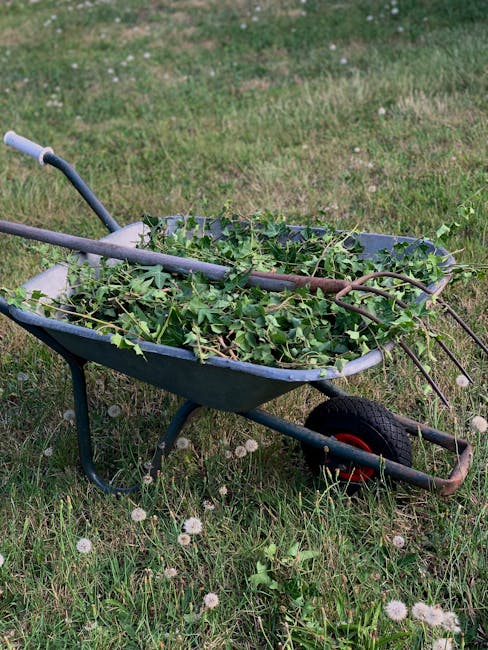
For the gardeners themselves, common tools may include secateurs, loppers, saws, shears, rakes, wheelbarrows, heavy-duty sacks, tarps, and protective gear. On larger or more demanding jobs, additional equipment may be needed to move bulk waste efficiently. The right kit matters, but so does judgement. A tidy, safe process is better than frantic cutting.
If the garden includes stubborn hedge growth or boundary overgrowth, it may help to combine emergency clearance with hedge trimming. If tree limbs are involved, a more specialist service may be more appropriate, especially when height, stability, or overhang is involved.
Where the garden is being transformed beyond simple removal, services like landscape gardening or landscaping can help turn a one-off emergency fix into a better, more manageable outdoor space. That is often the moment people realise the garden can be more than a problem area. It can actually be useful again.
Law, Compliance, Standards, or Best Practice
Emergency garden clearance can involve waste handling, site safety, neighbour considerations, and occasionally tree or access issues. While the exact legal duties depend on the circumstances, it is sensible to use providers who work carefully, keep the site safe, and remove waste responsibly. That is the basic standard people should expect.
Best practice also means using appropriate protective equipment, reducing trip hazards, and avoiding uncontrolled dumping of green waste. If a team is working near shared access, fences, driveways, or pathways, they should take care not to create new hazards while solving the old ones. Common sense is doing a lot of work here, but it matters.
If you are a landlord, managing agent, or homeowner with tenants involved, clear communication is helpful too. Urgent clearance can affect inspections, handovers, and property condition, so it is wise to keep records of what work has been arranged and what has been completed. Nothing fancy. Just a sensible paper trail.
For customers who care about trust and professionalism, it is worth reviewing pages such as insurance and safety and health and safety policy. Those pages help set expectations about how the work is approached and how safety is treated on site.
Practical point: if a job involves unstable structures, broken glass, suspected asbestos, or anything beyond normal garden waste, it should be assessed carefully before work starts. That is not over-caution; that is just good practice.
Options, Methods, or Comparison Table
Different jobs need different approaches. A same-day clearance is ideal for urgent situations, but it is helpful to understand what it is best suited for compared with slower or more detailed options.
| Approach | Best for | Strengths | Limitations |
|---|---|---|---|
| Same-day emergency clearance | Unsafe, blocked, or rapidly worsening gardens | Fast response, restores access, reduces immediate risk | May focus on priority work first rather than full finishing detail |
| Planned garden clearance | Overgrown or cluttered gardens without urgent risk | More time for full removal and organisation | Not suitable when speed is the main concern |
| Ongoing garden maintenance | Gardens that need regular care after clearance | Prevents future build-up, keeps things tidy | Won't solve a sudden emergency on its own |
| Landscaping or redesign | Gardens that need structural improvement after clearance | Long-term usability and better layout | More involved, usually not the first step in an urgent situation |
In simple terms, emergency clearance solves the immediate problem. Maintenance keeps it from returning. Landscaping changes the underlying setup if the space needs a bigger rethink. A lot of people end up using a combination, and that is usually sensible.
Case Study or Real-World Example
Here is a realistic example. A homeowner in Erith returns from a short trip and finds the rear garden has become difficult to use after several days of wet weather and windy conditions. Branches have dropped across the path, the lawn has become hidden under debris, and a side gate is partly blocked by cuttings from a previous DIY job that never got finished. There is no dramatic disaster, but there is enough of a mess to make the space awkward and a bit unsafe.
A same-day team is contacted in the morning. Photos are sent straight away, along with a note saying that access needs restoring before the weekend because family members are visiting. The gardeners arrive, assess the route through the garden, remove the fallen material first, then clear the accumulated waste into manageable piles for loading. Once the hazard is gone, they tidy the remaining surface and cut back the worst of the trailing growth.
The result is not a show-garden transformation. It does not need to be. The space is safe, the gate opens properly, and the homeowner can move around without worrying about slipping on debris. A follow-up visit is booked later for hedge reduction and a proper maintenance reset. That is often how it goes in the real world: fix the urgent bit today, then improve the rest when everyone can breathe again.
Practical Checklist
Use this checklist before booking or during the first call. It keeps things calm when everything feels a bit rushed.
- Identify the main problem: safety, access, waste build-up, storm damage, or overgrowth.
- Take a few clear photos of the garden from different angles.
- Note any locked gates, narrow access points, or parking limits.
- Tell the gardener about pets, fragile structures, or hidden hazards.
- Ask what can be cleared today and what may need a second visit.
- Confirm whether waste removal is included.
- Ask how green waste and mixed waste are handled.
- Decide whether follow-on maintenance will be needed.
- Check useful support pages such as pricing and quotes and contact options if you want to move quickly.
- Keep a note of the agreed scope so everyone is on the same page.
If the garden also needs a broader tidy after the emergency is under control, a little planning now saves time later. That part's boring, admittedly, but it works.
Conclusion
When a garden has turned from manageable to urgent, speed matters, but so does care. Emergency garden clearance in Erith same day gardeners is about more than a quick sweep-up. It is about restoring safety, reopening access, removing stress, and getting the space back to a point where normal life can continue.
The best results usually come from clear communication, realistic expectations, and a team that understands how to deal with difficult outdoor spaces without making a mess of the process. Whether your issue is storm debris, overgrowth, blocked access, or a garden left in a rough state, same-day help can be a very sensible first step.
If you want the space made safe, usable, and less overwhelming, the smartest move is usually to act sooner rather than later. There is a real difference between "messy" and "spiralling". Catching it early helps, every time.
Get a free quote today and see how much you can save.
Frequently Asked Questions
What counts as emergency garden clearance?
It usually means any garden clearance that needs handling quickly because of safety risks, blocked access, storm damage, heavy overgrowth, or an urgent deadline such as a move-out, inspection, or event.
Can same-day gardeners in Erith really attend on the same day?
Often, yes, depending on schedule, access, and the size of the job. The sooner you contact a provider and share photos, the better the chances of a same-day visit.
Is emergency garden clearance different from normal garden clearance?
Yes. Normal clearance is usually planned in advance and may focus on a fuller tidy. Emergency clearance prioritises immediate hazards and access first, then deals with the rest as time allows.
What should I send when asking for a fast quote?
Send a short description of the issue, a few photos, your location in Erith, access details, and whether the garden contains bulky waste, tree branches, or anything hazardous.
How much does same-day garden clearance cost?
Costs vary depending on the amount of waste, access, labour needed, and whether disposal is included. For the most accurate figure, ask for a tailored quote rather than relying on guesswork.
Do gardeners remove all the waste after clearance?
Usually they do, but it is always worth confirming. Some jobs include full removal and disposal, while others may focus on cutting back and stacking waste for later collection.
What if my garden has fallen branches or a damaged tree?
That may need more specialised handling. If there is a tree safety concern, a service such as tree lopping and removal may be more appropriate than a standard tidy-up.
Will emergency clearance make the garden look finished?
Not always. The first priority is safety and access. A good team will stabilise the situation first, then you can decide whether you want a follow-up tidy, lawn care, or a bigger improvement plan.
Can emergency clearance help before a house sale or tenancy change?
Yes. It is often used to restore the garden to a presentable and usable condition before photos, viewings, inspections, or handovers.
Is it worth combining clearance with maintenance afterwards?
Usually, yes. A one-off emergency visit solves the immediate issue, but regular maintenance helps prevent the same problem from coming back so quickly.
What should I do before the gardeners arrive?
Keep access clear if you can, move fragile items out of the way, secure pets, and make sure you have explained any hazards or restrictions. A few minutes of prep can save a lot of time later.
How do I choose a trustworthy local gardener?
Look for clear communication, sensible quoting, safety awareness, and a professional approach to waste and access. Pages like about us, insurance and safety, and health and safety policy can help you judge how seriously a provider takes the work.
When the garden is in a state and you need calm, practical help fast, the right response can make the whole property feel manageable again. And that, frankly, is a relief you can feel the moment you open the back door.